Adam woke up to what was another day in the spring of Kabul, but this one was different from the rest, and the atmosphere when he woke up reflected that. The sound of takbeerat playing from downstairs, along with the sweet smell of almond cookies in the oven, was a reminder of what he had been anticipating. The sight of freshly ironed hazel clothes and a grey charcoal vest with white pinstripes in his closet was the final spark needed to get him out of bed, with an excitement only the day of Eid could bring. The feeling of warm clothes on his skin was always pleasant for him in the early morning, making him feel that nothing could go wrong today.
As he came down the stairs, he greeted his mother and sister, who were working in the kitchen, and his father and older brother, who were getting ready to leave.
“Look at my younger brother, showing up to the Eid salah like it’s his wedding,” said Kareem teasingly.
“It’s the day of Eid, son, there is no such thing as overdressing,” said Abdulhaq to Kareem.
Just as they were about to leave the house, a booming knock echoed through their front door, followed by a familiar clamorous laughter. When they opened the door, it was his Uncle Navid and his cousins Hashir and Yahya greeting them and saying
“Eid Mubarak.”
As they stepped out into the morning air, the streets of Kabul were filled with neighbors and friends in their finest clothes, all walking with the purpose of going towards their local Mosque. Their clothes and vests caught the sunlight, which collected a collective radiance that matched the spirit of the people. Upon reaching the gate, they joined the fellow tide of their Afghan brothers, removing their shoes and finding a spot on the chilled, carpeted floor. A profound silence settled over the room as the imam began giving the Eid Khutbah; his voice repeated through the prayer hall with a message of gratitude. As the khutbah finished, the imam gave a brief summary of how the Eid salah works, and as he was explaining, Adam stood shoulder-to-shoulder with his brother and cousins.
When the prayer concluded, the mood in the masjid changed from quietness to a symphony of greetings amongst people, and the giving of Eid al-Fitr. Adam turned first to his father and Kareem, hugging them as well as his uncle and cousins. As the family began to walk back home, the atmosphere of Khushal Khan had shifted from the anticipation of the morning to a full-out celebration. Adam walked into the center of the group, accompanied by his cousin and brother, who were already comparing the Eidis they collected from the elders in the masjid. The walk was slow, with occasional stops as they met more of their cousins and friends, but Adam didn’t mind the delay. The warmth of the company Adam had felt was the highlight of his day.
When the door of their home swung open, the aroma of milk tea and frying dough rushed into their noses. Adam’s mother, Spogmai, stood by the stove preparing breakfast with her daughters.
“Eid Mubarak, May Allah accept your prayers,” Spogmai called out over the sizzle of pans.
The usually quiet house is now transformed into a chaotic, joyful place as Uncle Navid and his sons take off their shoes and sit in the living room. The cousins didn’t need an invitation; they immediately helped Adam and his sisters set the “sarkhan” on the floor. As they were setting up breakfast, guests from Adam’s family came in, as well as his family from America. The air filled with Pashto and English as his relatives stepped through the doorway. Adam’s cousins from Virginia looked a bit more jet-lagged than the rest, but their eyes lit up as soon as they saw the sarkhan being weighed down with piles of hot naan, eggs, milk tea, bowls of honey, cheese, and jam.
“You guys made it just in time for the best part,” Adam joked, reaching out to give his cousin Ahmed a firm hug.
The living room was now clamouring, as the elders talked about their lives and family history, while the youth talked amongst each other. When breakfast started, Adam and Kareem began to set out plates for the guests, poured milk tea, and passed down eggs and other foods to ensure no guest, whether they lived locally or across the ocean, would end up with an empty stomach. As Adam looked around the living room, he realized the sarkhan wasn’t just a place to eat food; it served as an anchor for locals and the global community to reunite under one roof.
When the last pieces of naan were cleared and the plates were stacked up, the energy in the room transitioned to a more relaxed mood. Adam and Kareem moved the stuff from the living room to the kitchen a couple of times. While Kareem carried a tray of small, delicate glass cups, Adam followed behind with the steaming green tea, a small amount of sugar, and honey for those who wanted an extra touch of sweetness. Alongside the tea, Adam went back to get the almond cookies his mother baked in the morning, and Kareem brought firni from the refrigerator to the living room.
As the people were waiting for the tea, Adam poured the tea into cups, and Kareem went circling the room, making sure everyone got green tea, alongside almond cookies and firni. The room soon became a gallery of clicking spoons and satisfying sighs as the cool firni provided a perfect contrast with the hot green tea. Adam then walked around the room, making sure their tea cups were filled up after the elders had drunk from them. Now that the hunger of the morning was satisfied, Adam’s relatives from Virginia started talking amongst each other, started to share some of the pictures they took when they were in America, while the local cousins recounted the changes in Afghanistan. Adam and Kareem then go upstairs to bring the karambol board and pieces to play with their cousins. The sound coming from the karambol board echoed through the living room. Adam and Kareem held a karambol match against their American relatives, and the room was filled with competitive energy and support for each other.
However, as the sun went down from the horizon, the atmosphere in the room shifted. The karambol board was put aside to make more tea, and the room atmosphere grew heavy as the light dimmed, and the laughter died away when the conversation drifted towards the past, specifically the vast disputed land Adam’s grandfather had left behind. The gentle warmth of the afternoon was pierced as the conversation took a sharp turn into a heated debate. The elders, fueled by years of unspoken grievances and different perspectives on the family’s legacy, began to argue over the boundaries and the future of the inheritance. The elders who came from America argued that the land should be distributed among themselves and sell the land to make a lot of money, while the elders from Kabul argued to keep the land because it was their grandfather’s land and they didn’t want to sell it at all.
Meanwhile, other elders in the gathering sat forward with hardened expressions and argued that they owned specific portions of the land, and they alone should decide what to do with the land. Adam watched from the sidelines, the earlier warmth of the day feeling slightly strained as he realized that even the most joyous of Eid celebrations couldn’t entirely mask the complicated knots of family history. As the night came, the heated voices finally began to disappear as the guests left. One by one, the guests rose to leave, greeting them as they stepped out of the house. Uncle Navid and the relatives from Virginia also departed from Adam’s house, and Adam helped his mother clean the remaining dishes in the kitchen before going upstairs to sleep in his bed.
In the morning, Adam didn’t wake up to the takbeerat or the sweet scent of almond cookies, but by the rising volume of noises that was coming from the living room. The elders have not let go of the dispute, and now the living room is filled with tension. Spogmai told Adam and Kareem to bring bread from their local bakery and get some eggs. As the two brothers stepped outside, Kareem let out a frustrated sigh.
“I can’t believe they’re still at it,” Kareem said, his voice low so the neighbors don’t overhear the conversation.
Adam nodded, keeping his eyes on the road.
“It’s as if the ownership of the property matters more to them than their current relationship.”
“That’s the problem with ‘inheritance,” Kareem muttered as they approached the bakery. “To the relatives in America, it’s money. To the relatives here, it’s their history. I wish grandpa could be here and give us help on how the land will be distributed.”
Adam and Kareem went on to buy the bread, but when they went to their local shop, there were no eggs. The brothers went off 2.5 miles from their home and found a produce shop where they found eggs. The cashier was an old man who owned the shop, and he proceeded to say Eid Mubarak to them and asked them about how they were doing.
“Well… ” It’s Eid, and we are trying to keep the spirit alive,” Adam replied respectfully, his voice unusual.
“Well, tell me what happened, I can probably help,” said the old man.
“Our house doesn’t feel much like a celebration today. My grandfather’s land—the acres he left in Logar—turned into a battlefield. Half the family wants to sell it for the money, the other half says it’s our grandfather’s land, and they don’t want to let it go.”
“So you guys are from Logar then?” replied the old man.
“Yes, we are from Logar.” said Adam
“I actually used to work for National Records here in Kabul, and I actually had a friend named Ehsan-ul-Haq from Logar who left a lot of land before he died.”
A bright spark of excitement passed between Adam and Kareem as their eyes met.
“Wait, you know our grandfather?” said Kareem with excitement.
He looked them over with a dignified smile.
“It is a profound honor and a joy,” the old man remarked, “to see the grandsons of Ehsan-ul-Haq standing before me today. I actually have your grandfather’s will that he gave to me before he passed away. Do you want me to give it to you?”
“If you have it on you, can you please give it to us? We will be highly appreciative if you give it to us,” said Kareem.
“I have your grandfather’s will, but it’s at my house. Can you give the address to your house so I can give you the will?” said the old man.
Kareem then proceeds to buy the eggs his mom needed to make “Romyan Hagee or Tomato eggs” for the guests, gives the address of their house, and thanks the old man for his support. On the way home, there was a jubilant feeling among Adam and Kareem, and they believed they could finally decipher the dispute over their grandfather’s land. As the brothers came back and closed the door, the kitchen had a sharp scent of onions and tomatoes. Spogmai stood over the skillet as she was making the tomato sauce for the “Romyan Hagee.”
“You are back, hurry and give me the eggs,” she said, her voice strained, “the guests are hungry, and the milk tea is almost ready.”
The kitchen’s pace was nothing compared to the storm in the living room. In the living room, Adam and his brother saw the elders spread out the map of their grandfather’s land, deciding the boundaries of the land.
“It’s not about history anymore, it’s about survival,” said the American relatives. “The land in Logar is sitting idly while I have a mortgage to pay. We sell, we split, and move on.”
“And what about our roots? You want to turn our father’s land into a bank transfer?” said Uncle Navid.
When Adam and Navid were sitting there, they didn’t feel the same dread they had before. They felt a quiet power that would come out once the knocking of the old man changed everything. Spogmai has prepared breakfast and called on Adam and Kareem to take the food into the living room and put on the sarkhan. The brothers proceeded to do so, and as they were pouring the milk tea and passing the eggs around, they heard a knock.
To their surprise, it was the old man from the shop who actually showed up and brought the paper to Adam. Adam thanked him and invited him inside to eat breakfast with them. Adam ushered him in, and as the old man stepped into the living room, a moment of confusion passed over the uncles and relatives, but they all stood up and greeted him. Once the last plates were set aside, the old man cleared his throat and made his introduction.
“Assalamu Alaikum,” the old man began, his voice steady and echoing through the living room.
“My name is Ghulam, and for many years I have worked in the National Records office here in Kabul, but to your family, I was a friend of your grandfather Ehsan-ul-Haq.”
A collective shock went through the room as Uncle Navid and the relatives from Virginia froze, and their eyes widened.
“Before he passed, he entrusted me with his final will to be delivered when greed threatened his legacy.”
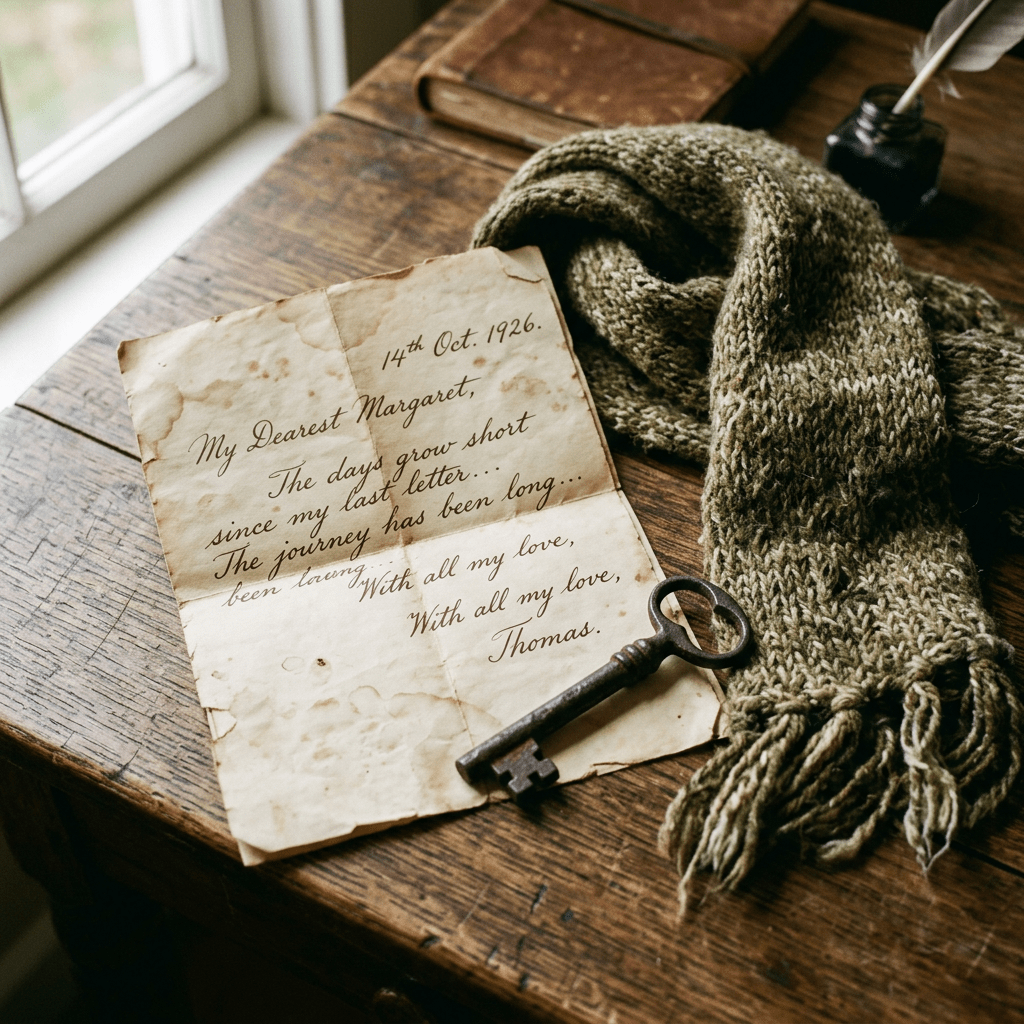
He slowly opened the letter, the ink still dark and firm. He wrote,
“My land in Logar is the soil of our ancestors. It is a garden meant to keep my people together. It shall be given to the community to build a school, so that our family serves the children of Logar with happiness.”
The old man proceeded to give the letter to each of the relatives to confirm what he said was nothing but the truth, and the room fell into a stunned silence. The maps on the floor felt like nothing but scraps of paper, as the elders finally realized that their father’s final wish wasn’t for their pockets to be full, but to stay united.

 Student Spectrums
Leave a comment