Madiha Nawed is a sophomore in Ilm Academy. She is 15 years old and is interested in reading books, writing articles and spreading awareness. She is learning about the power of raising voices as well as inspiring others to do so in order to express their own opinions.
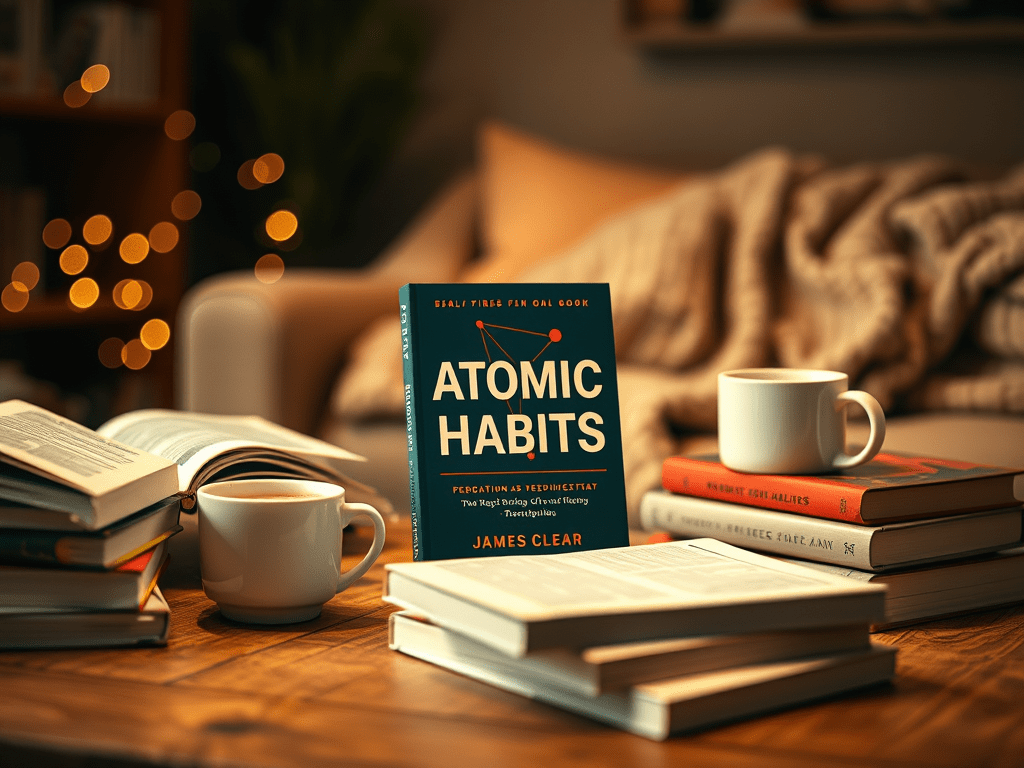
Teenagers often waste the adolescent time in their lives trying to adapt to the transitions and the various trends of adults. We squander this crucial time period by making social media and various other trends the center of their lives when in reality we should spend time discovering our identities and thinking about a fulfilling future. As a teenager in the 21st century, I always think about developing good habits. But all of these thoughts remained thoughts until I read a self-help book by James Clear called “Atomic Habits”. Self-help books are like a turning point in one’s life which can change one’s perspectives. I’ve learned that tiny actions, when repeated regularly, accumulate over time and these can help reshape one’s life. The idea of breaking down my goals into manageable habits makes me feel more in control and less stressed about just achieving success.
The adolescent years are a crucial period for developing long-lasting habits that affect an individual’s academics, relationships, overall well-being and long term success. But are we as teenagers in the 21st century really focusing on developing long-lasting habits? We are impacted by outside influences to an extent that we forget about discovering our identity. Infact, as a teenager, I always complain about not finding enough time to develop good habits because of my increasing academic burden and outside distractions. Self-help books like “Atomic Habits” have helped me with my problems. I would think that success is the ultimate goal and one should achieve it no matter what. But this isn’t true. Even a tiny improvement everyday accumulates to a huge change and eventually turns into a habit. These habits are what lead me to success. According to the New York Post, “The average person starts reading self-help books at 14 years old, but Gen Z readers (60%) are more likely than older generations to begin reading these books between ages 10 and 15.”
According to NPD Group, the self-help industry has exploded in recent years: by 11% from 2013 to 2019, with U.S. sales of self-help books growing annually up to 18.6 million volumes. Self-help title numbers nearly tripled during the same period, from 30,897 to 85,253. Before, I felt overwhelmed by the idea of bringing changes to my life, but after reading this book, I now realize that it’s the small, consistent habits that lead to long-lasting transformations. It shifted my mindset from focusing on major outcomes to valuing the process of gradual improvement. “Atomic Habits” really resonated with me as a teenager navigating life in the 21st century, where distractions and pressures are constantly increasing.
The deeper message of these self-help books overall is that small, unchanging actions shape who we become. Although they don’t seem significant at first, they helped me realize that I don’t need to chase perfection or huge achievements all at once. Instead, it’s about the small choices I make everyday, like how I spend time with the people around or how much effort I put into my studies. Life is not all about success. It’s about accumulating and signifying those little changes to create the long-lasting impact that we want in our lives. This book has also taught me the value of patience and progress, and that’s made all the difference in how I approach my challenges and view my life as a teenager today.




 Student Spectrums
Leave a comment