
Faizah Hassan is a 10th grade student who questions the growing lack of harmony and unity between communities striving to coexist in a volatile world. Her topics are related to issues stemming from her concerns.
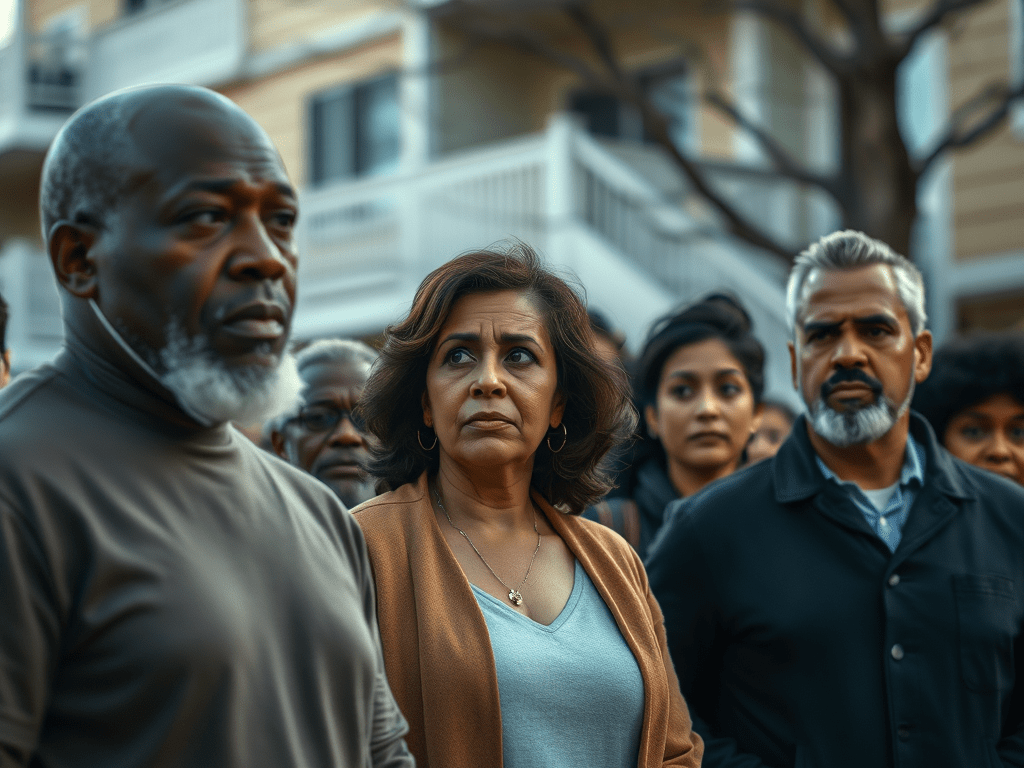
Most people are aware of gangs from other countries coming to America and doing things that are considered illegal, with the police and law enforcement not doing a single thing. In Aurora, Colorado, there has been significant attention on the activities of a Venezuelan gang, Tren de Aragua, which is known for an involvement in violent crimes, human trafficking, and drugs. The gang’s presence in the city became more prominent after a viral video showed armed men in an Aurora apartment complex. This incident led to claims that the gang had taken over parts of the complex, sparking public concern. With most speaking on how the police are not taking any actions towards it, or at least forcefully.
Yet, city officials have been quick to downplay these fears. They argue that while gang members may be present in certain areas, the notion that they have completely “taken over” apartment complexes is an exaggeration, and they brush it off the shoulder as if it is nothing. Aurora’s police chief has made statements dismissing the idea of gang control, noting that while criminals reside in some complexes, there is no hard evidence suggesting a full-scale occupation or extortion of residents.
As for the community, they believe the police are feeding lies them lies, considering this isn’t the first time the police has brushed it off their shoulders. If anything, I believe the law enforcement are being hypocritical since they had advocated for not allowing illegal immigrants, but when those illegal immigrants start causing problems, they act as if they are powerless to say or do anything.
The presence of Venezuelan gangs in the U.S. is part of a broader trend in which transnational criminal organizations exploit them in their home countries to expand their operations abroad. With Venezuela’s ongoing crises pushing migrants across borders, it’s not surprising that criminal elements have seized the opportunity to establish themselves in places like Aurora. Unfortunately, these developments highlight the vulnerabilities in America’s immigration and law enforcement systems. Although due to how careless America is on the border operation and immigrants still illegally coming to America, it isn’t bringing any change.
The poor nature of U.S. borders and gaps in law enforcement coordination make it easier for such organizations to take root.The question, then, is not whether the public’s concerns are valid, but rather why law enforcement’s response appears so inadequate. While Aurora officials claim they are monitoring the situation closely, many citizens feel that this approach is reactive rather than proactive. Fear among residents has only deepened as social media posts sensationalize the gang’s presence, and this raises important questions about whether the reluctance to act more forcefully is rooted in denial, incompetence, or perhaps even political considerations.
The rise of transnational criminal organizations such as Tren de Aragua demands a far more comprehensive approach. Addressing the root causes of migration, strengthening international cooperation, and bolstering local law enforcement capabilities are all essential steps. Until then, communities like Aurora will continue to grapple with fear, uncertainty, and the unsettling reality that these gangs may be here to stay.. This isn’t just a law enforcement issue, it’s a societal one, and until we address it as such, we can expect more communities across the country to face similar challenges.
Whether it’s through policy reform, international diplomacy, or simply a more proactive stance from local authorities, something must change, or else the situation in Aurora could become the new normal for cities nationwide.




 Student Spectrums
Leave a comment