
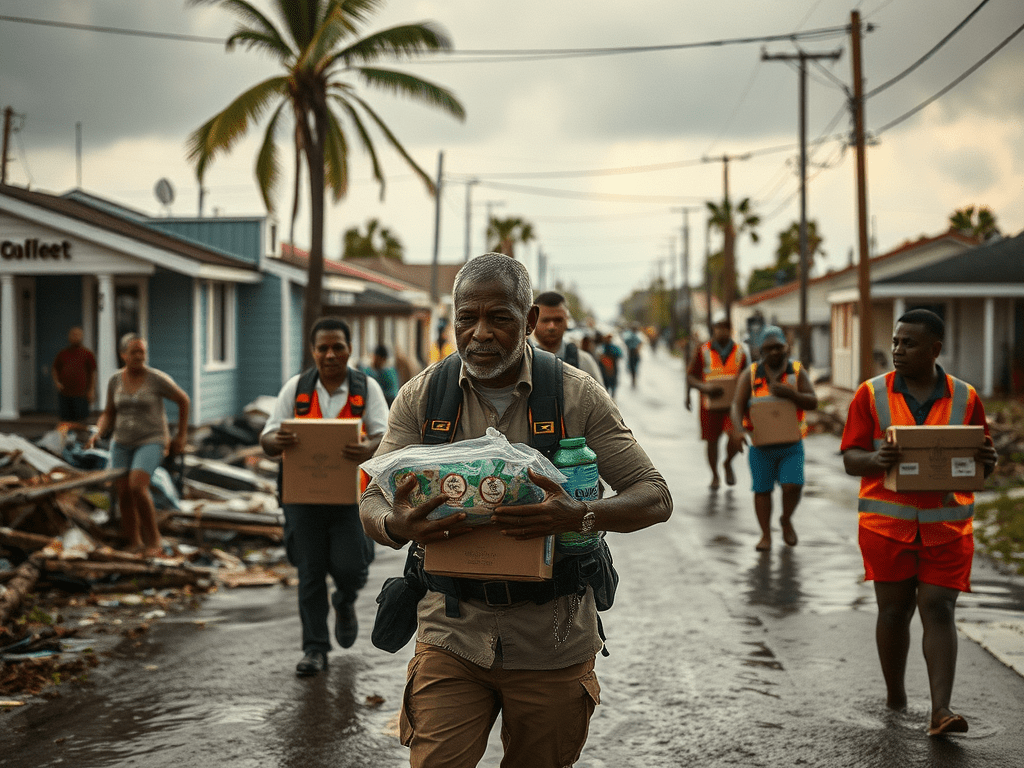
On 9/11/24, a Category 2 hurricane, Hurricane Francine, landed in Louisiana, causing extensive destruction in coastal regions. As I learned about the storm’s quick intensification, I experienced a combination of admiration and worry. As I delved deeper into the topic, I realized that the unpredictability of hurricanes and the significance of prompt, precise weather forecasting was clearer than ever. It prompted me to think about our collective vulnerability to the powers of nature, irrespective of where we reside. The aftermath of the hurricane proved the resilience of the local communities, who have united to provide essentials like food, water, and medical supplies. This ability to recover exemplifies the strength and vitality of the people in these areas, emphasizing the necessity of strong community preparation plans that are ready to be activated swiftly in times of emergency.
Being from a region that is frequently rocked by earthquakes, I regularly ponder how stronger building designs and developed prediction systems are the factors that can save lives. Hurricane Francine’s tragedy underscored the importance of investments in government and infrastructure to cope with the increasing frequency and strength of storms. Aspects contributing to the storm’s destruction include old levees, insufficient drainage systems, and inadequate evacuation routes. I consider that the federal, state, and municipality must provide investment in upgrades to infrastructure to tackle the increasing frequency and gravity of storms.
Hurricane Francine foremost emphasizes the consequences of climate change and the escalating threats that need to be fought. The combined effect of rising water temperatures and water levels is producing more catastrophic and harmful storms. Integrating urban climate resilience into design and development practices is vital. This calls for building better structures, applying stricter construction standards and processes, and motivating both human and physical capital through initiatives like seawalls, water desks, and other safeguards such as wetlands and mangrove forests.
A major lesson from Hurricane Francine is the importance of early warnings. Accurate and timely information can help those in affected areas plan for evacuation or prepare to avert potential loss of life. Enhancing meteorological skills and ensuring that warning systems are out in the public domain for everyone, especially the more susceptible populations, is necessary. I often wonder how well-prepared my own community is for such disasters and what more we can do to improve our readiness.
As affected regions continue to rebuild, it is crucial to focus on the lessons learned from Hurricane Francine. It has shown me that we need to prepare for disasters, strengthen our resilience, and establish sustainable structures to reduce the impact of natural disasters. Climate change is the fundamental problem responsible for the expansion of storm events, and appropriate funding in areas like early warning systems, infrastructure, and communities can help protect us and ensure we are better prepared for future challenges. By learning from past experiences and implementing effective strategies, we can build a more resilient society that is better equipped to handle the challenges of tomorrow.



 Student Spectrums